Roof Leak Repair in Palm Valley from $175. Phoenix-metro prices, the entry point found rather than guessed, and an honest answer about the felt. Free inspection and a written quote.
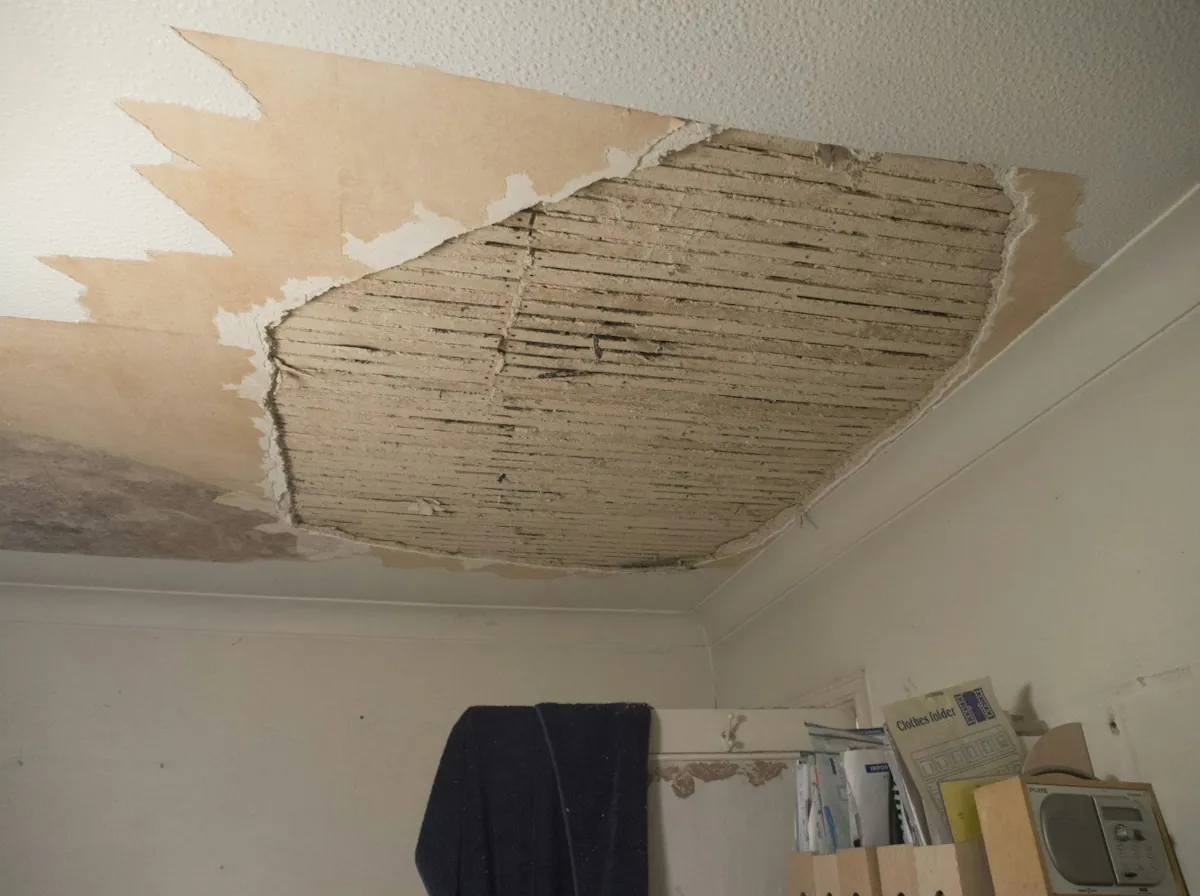
Palm Valley is further into the underlayment window than anywhere else in the city, so here a leak with no visible damage is the expected finding rather than a puzzle. If your house is late 1990s or early 2000s and the tile looks immaculate, the felt is the first thing to check and not the last.
Leak repairs across the Phoenix metro run an estimated $550 to $2,500, with small fixes from around $175. Those are Arizona figures. What decides where in that range your job lands is not the size of the stain, it is whether the leak is a failed detail or the first symptom of failed underlayment.


Leak repairs across the Phoenix metro run an estimated $550 to $2,500, with small fixes from around $175. Where in that range your job lands is decided by one thing: whether this is a failed detail or the first symptom of failed underlayment. Expect the felt conversation here rather than the patch conversation, because the build dates put these roofs at or past the end of their underlayment. That means a repair quote should come with a frank estimate of how long it will hold.
A single identifiable cause on a roof whose felt still has life in it -- a cracked tile, a flashing, a vent penetration. On a house under fifteen years old that is the usual answer and it sits at the bottom of the range.
Underlayment that has gone brittle, because then the leak is not in one place. A two-story roof. Sealant from a previous attempt that has to come off first. And a discontinued tile profile, which turns a small repair into a sourcing job.
When the felt is the fault. Patching a roof whose only waterproof layer is finished buys a season, and we will say so and price the re-felt instead rather than selling you the patch twice.
One of the city's established master-planned areas, built around golf and developed earlier than most of Goodyear.
Settled single-family housing, a good deal of it from the late 1990s and early 2000s, on planned streets with mature landscaping.
This is the part of the city furthest into the underlayment window. Roofs here are largely past twenty years, which means felt rather than tile is the question on nearly every survey -- and it means a leak with no visible damage is the expected finding rather than a surprise.
Including us. The first two take a minute and they separate most of a shortlist immediately.
The single most useful question on this page. The condition of the felt is what decides between a repair and a re-felt, and it cannot be seen without lifting tile. A quote produced from a walk-round has not established the one thing that matters.
Some tile breaks during a lift. That is normal. Finding out the allowance after the work is not, and a bid that is silent on it is a bid with a variation built into it.
If a full replacement is proposed on a roof whose tile is sound, ask what is wrong with the tile specifically. If the answer is about the felt underneath, the job being quoted is not the job the roof needs.
What is worth knowing before you book this.
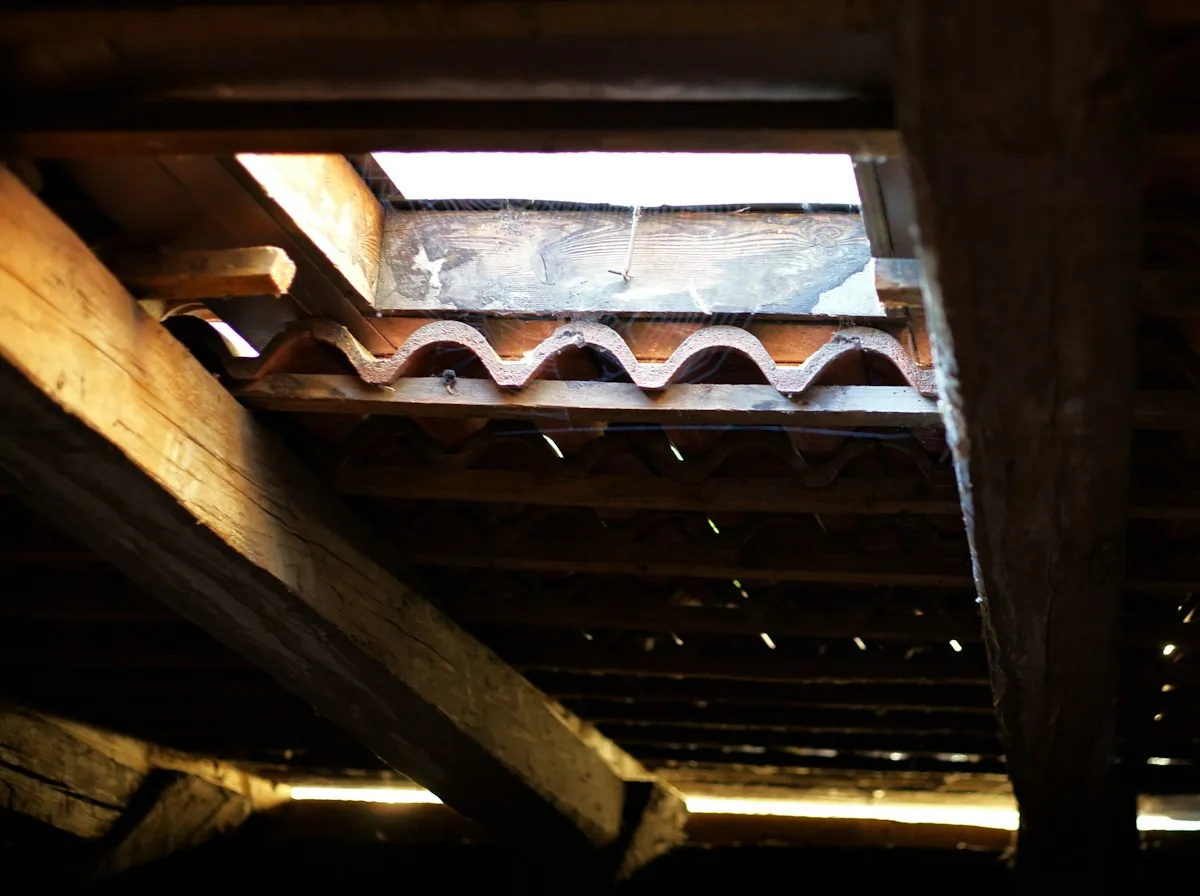
Uphill of the stain, usually. Water enters at a lap or a detail, runs down the felt under the tile, and drops at the first low point or break it reaches -- which on a shallow tile roof can be several feet away. That is why the roof space is part of the survey.
Whichever is true, and we will show you. If the felt away from the leak is still sound, the patch is the right job and we price it. If it has gone brittle, a patch buys a season and we will say so rather than selling it to you twice.
Because the tile is not the waterproof layer. Tile is a rain screen; the felt underneath it is the membrane that keeps water out, and in this heat felt lasts 15 to 20 years while the tile above it lasts fifty. A roof that looks immaculate and leaks is the normal situation on a twenty-year-old house here, not a puzzle.
Asphalt felt gets 15 to 20 years, and 30-pound felt 20 to 25. Synthetic underlayment runs 25 to 35. The same products are rated for 20 to 30 years nationally -- heat and ultraviolet are what cut them down here. The concrete tile above them lasts 50 years and more, which is why the two are on completely different clocks.
Yes, and Arizona makes it easy. An ROC license is required for any roofing work of $1,000 or more including labor and materials, and the number must appear on contracts, bids and advertising. R-42 is residential, C-42 commercial, CR-42 both. The register is public and the check takes about a minute.
Tile lifted at the survey, because the felt is what decides the job. Arizona figures, not a national calculator.